-
-
Panchkula, Haryana, India

Call Anytime
+91 8360502087
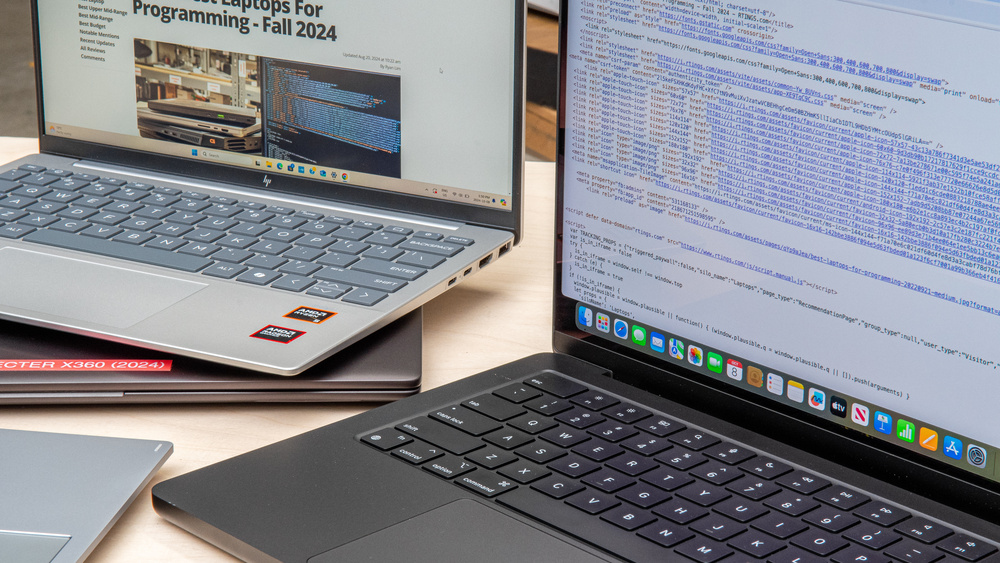
Best Laptops for Programmers in 2026 — Ultimate Guide (arindamindia)
As we step into 2026, the landscape of laptops for programming has significantly evolved. Today’s developers don’t just run code — they run large IDEs, containerized environments, cloud-connected workflows, and even machine-learning workloads directly on their machines. Whether you’re a student, freelancer, or professional engineer, picking the right laptop remains crucial. This blog covers top laptops, buying tips, and future-proof choices to help you choose efficiently.
Why Choosing the Right Laptop Matters in 2026
With the rise of AI-assisted tools, virtual machines, and remote container infrastructure, powerful hardware is no longer a luxury — it’s a necessity for productivity. Key development tasks like: Best laptops for programmers in 2026
- Compiling large codebases
- Running Docker containers
- Parallel testing
- AI/ML prototyping
- Full-stack web development
require serious CPU, ample RAM, and fast storage.
In 2026, more laptops are shipping with AI-optimized processors (like Intel Panther Lake Ultra) and high-resolution OLED displays, boosting both performance and developer comfort.
Key Laptop Features Every Programmer Should Prioritize
Before diving into specific models, here’s a checklist of what matters most:
🧠 1. Processor (CPU)
- Look for Intel Ultra series (7/9) or equivalent AMD Ryzen 7000+ series
- For Mac users: Apple Silicon M4/M5 families are highly efficient
- Aim for 8+ high-performance cores for parallel builds and virtualization
💾 2. Memory (RAM)
- Minimum 16GB RAM — standard for coding workflows
- 32GB+ recommended for heavy multitasking, containers, VMs, and data science workflows
⚡ 3. Storage (SSD)
- Fast NVMe SSD is essential for quick boot times and fast compile cycles
- 512GB minimum — 1TB+ preferred for large projects
🖥️ 4. Display
- 2K / 4K OLED displays reduce eye strain and improve clarity
- Larger screens assist in split-view coding
🔋 5. Portability & Battery Life
- At least 8–12 hours battery life for coding on the go
- Lightweight builds help during travel or work from cafés
🔌 6. Connectivity & Keyboard
- Plenty of ports: USB-C/Thunderbolt, HDMI, SD reader
- Comfortable keyboard for long coding sessions
Top 2026 Laptops for Programmers
Best laptops for programmers in 2026 Here are the best picks in 2026 across various categories — from powerful pro machines to versatile mid-range options.

Lenovo Yoga Pro 9
₹1,81,421
•
Amazon.in + others

Samsung Galaxy Book5 Pro 360
₹1,63,990
•
Samsung.com + others

Lenovo LOQ Gaming
₹73,499
•
Vijay Sales + others

MSI Thin 15
₹72,990
•
PrimeABGB.com + others

Samsung Galaxy Book5
₹77,990
•
Vijay Sales + others

Lenovo LOQ
₹70,490
•
Amazon.in + others

HP Victus Gaming Laptop
₹65,995
•
Reliance Digital + others

ASUS TUF Gaming F16
₹69,990
•
Amazon.in + others
🚀 1. Premium Powerhouses — For Professional Developers
These laptops balance power, portability, and future-proof performance.
Lenovo Yoga Pro 9
- ⭐ Best All-Around Developer Machine
- Intel Core Ultra 9 series
- Large high-resolution display
- Excellent build quality and versatility
Why it’s great for programmers:
This laptop offers class-leading performance with Intel’s latest Ultra processors, making it ideal for full-stack development, container builds, and multitasking. Its vibrant display and precision touchpad help during long coding hours.
💡 Best for: Full-stack developers, cloud engineers, AI workflows
Samsung Galaxy Book5 Pro 360
- 💻 Best 2-in-1 for Developers
- Premium OLED panel
- Long battery life
- Convertible design for flexibility
Why it’s great for programmers:
Convertible laptops blend productivity with portability. Ideal if you combine coding with sketching ideas or reviewing designs. Its high-end build and strong battery life handle extended coding sessions.
💡 Best for: UI/UX developers, hybrid workflows
💪 2. Solid Mid-Range and Student Options
Great choices for developers who want strong performance without breaking the bank.
Lenovo LOQ Gaming
- 🔥 Powerful performance in a budget-friendly package
- Intel i5-class CPU and generous RAM potential
Why it’s good for programmers:
Although marketed as a gaming machine, its strong CPU and RAM make it capable of handling coding on VS Code, Android Studio, and multitasking with multiple terminals.
💡 Best for: Students and early career programmers
MSI Thin 15
- 📍 Balanced performance and portability
- Strong SSD and adequate RAM
Why it’s good for programmers:
MSI’s Thin series offers reliable performance in a portable form factor — ideal for coding on the go. Good for multi-language development, web stacks, and daily tasks.
💡 Best for: CSE students, part-time developers
💻 3. Everyday Programming Laptops – Value Picks
These offer everyday performance suitable for general development tasks and light workloads.
Samsung Galaxy Book5
- ⭐ Great balanced thin & light laptop
- Excellent battery life and screen
Why it’s good for programmers:
Perfect for web developers, Python/Ruby scripting, and cloud-based development. Its sleek design and long battery life make it ideal for frequent travel.
💡 Best for: Web developers, data analysts
Lenovo LOQ
- 💡 Value-oriented build quality
- Good CPU / RAM blend for general dev tasks
Why it’s good for programmers:
A solid performer for coding, debugging, and running lightweight containers. Excellent choice if you want a dependable budget option without sacrificing performance.
💡 Best for: Entry-level developers, hobbyists
🎮 4. Gaming Laptops That Double as Coding Beasts
These are powerful machines that can handle both development and gaming.
HP Victus Gaming Laptop
- 🔥 Good performance with balanced pricing
Why it’s good for programmers:
Gaming laptops often offer powerful CPUs/GPUs and good cooling — ideal for game development, Unreal or Unity tasks, and large IDEs. Even if you’re not gaming, the performance benefits are worth it.
💡 Best for: Game developers, ML experiments (when needed)
ASUS TUF Gaming F16
- 💪 Durable build with good performance
Why it’s good for programmers:
ASUS’s TUF lineup balances affordability with capable hardware. It’s not as premium as others, but provides solid performance for coding and media tasks.
💡 Best for: Budget gamers & programmers
🛠️ Programming Scenarios & Perfect Laptops
To make your choice even easier, here’s how different laptops fit common programmer use cases:
👨💻 1. Full-Stack Developers
Choose machines that handle IDEs + local servers + heavy tabs — e.g., Yoga Pro 9, Galaxy Book5 Pro 360.
📱 2. Mobile App Developers
Devices with strong CPUs and good screens help in emulation and testing — think Yoga Pro / Galaxy Book5 Pro 360.
🌐 3. Web Developers
Light to mid-range options like Galaxy Book5 handle Node.js, React, and cloud CLI tools with ease.
🔢 4. Game Developers
Gaming laptops like HP Victus bring GPU muscle for game engines and graphics work.
🧠 5. AI/ML Enthusiasts
While heavy ML training belongs on cloud GPUs, local prototyping benefits from strong CPUs and CUDA-enabled GPUs.
🧠 Tips to Future-Proof Your Programming Laptop (2026 Edition)
💡 1. Prioritize RAM Over Graphics:
Even if you don’t game, 32GB RAM helps with multiple IDEs, containers, and browser tabs.
💡 2. Invest in Fast SSDs:
Slow storage bottlenecks boot and compile times. Pick NVMe SSDs (1TB+).
💡 3. Displays Help Productivity:
High-resolution OLED or IPS panels reduce eye strain.
💡 4. Aim for Good Cooling:
Laptops with better thermal designs don’t throttle under long builds.
Frequently Asked Questions (FAQs)
❓ Is 16GB RAM enough for programming?
Yes for most modern development workflows. But 32GB+ is ideal if you run Docker, heavy IDEs, or multiple VMs.
❓ Should programmers buy gaming laptops?
Yes — they often offer powerful hardware at competitive prices. Just make sure the CPU/RAM is balanced. Gaming GPUs aren’t necessary for most coding tasks.
❓ Is Apple good for programming?
MacBooks with Apple Silicon (M-series) are excellent for development, especially mobile app and UNIX-like terminal workflows. They offer great battery life and quiet operation.
Final Thoughts
Your programming laptop in 2026 should be more than a machine — it should boost your productivity, handle complex stacks, and stay reliable for years. Whether you’re a student just starting or a seasoned engineer, there’s a perfect laptop waiting for you from the curated list above.
Happy coding! 💻🚀


Leave a Comment